东方
China central bank reform plan targets high-level financial opening-up_我的网站

一 |
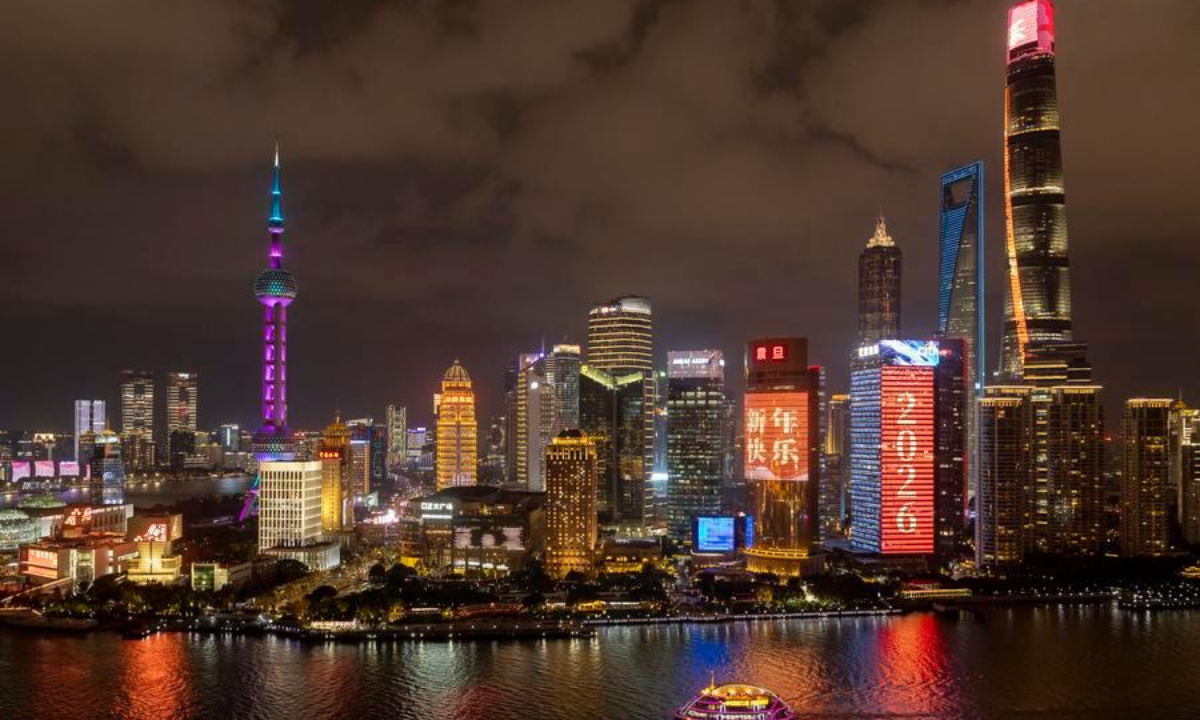
This photo shows the illuminated Lujiazui in celebration of the New Year in east China's Shanghai, Dec. 31, 2025. (Xinhua/Wang Xiang)The People's Bank of China (PBOC), China's central bank, has issued a reform and development plan for the 2026-2030 period, making work arrangements aimed at accelerating the building of a nation with a strong financial sector and improving the central banking system.
The plan said measures will be taken to "prudently advance high-level financial opening-up," noting efforts will be made to expand the global use of the renminbi in international trade, investment and financing, deepen two-way financial market access, quicken steps to build Shanghai into an international financial center and enhance the role of Hong Kong as a global financial center.
As part of the opening-up drive, the PBOC will enhance the multi-tiered and broad-coverage Cross-Border Interbank Payment System (CIPS) and push forward the development of offshore renminbi markets.
On the domestic monetary policy front, the plan sets out to build a more scientific and robust framework by refining the modern monetary policy system with Chinese characteristics, improving the base-money issuance mechanism, and making better use of both aggregate and structural tools.
It stresses the need to enhance market-based interest rate formation, transmission, and adjustment mechanisms, while allowing the market to play a decisive role in exchange-rate determination and keeping the renminbi broadly stable at a reasonable and equilibrium level.
To fortify financial stability, the central bank will expand the coverage of macro-prudential management, enrich its policy toolkit, and establish a monitoring and evaluation system to mitigate systemic risks in key areas.
A major pillar of the plan is to strengthen the real economy's access to quality financial services. The PBOC has pledged to build a precise and effective policy system to support major strategies, key sectors, and address weak links. This includes developing a financial system tailored to scientific and technological innovation. It also aims to enhance green and low-carbon financing, expand inclusive finance, improve the pension finance system and accelerate digital finance.
Looking ahead to the 2026-2030 period, the PBOC says it will ensure all measures in the plan are executed effectively to boost China's strength in finance and support high-quality economic development.
。 本文来自微信公众号: 经济观察报 (ID:eeo-com-cn),作者:熊丙奇
贯通式培养是当前中考框架的培养模式改革,只能起到有限的作用,学生(家长)可根据自身情况,选择贯通培养;要扭转基础教育的应试化,需要把均衡化从义务教育推进到高中教育,并在高中教育中推进普职融通。
封图:图虫创意
近日,上海市教委印发《上海市普通高中高质量发展实施方案》,其中包括试点长学制贯通培养模式。成都市教育局近期也公布了一项改革,自2025年起,探索开展小初高12年贯通式与初高中贯通式培养改革试点,首批参与试点的学校共8所。
此番消息在网络上引起热议和猜测,其中包括“是否要取消中考”“初高中是不是要合并”等。对此,10月22日,上海市教委与成都市教育局都“辟谣”表示,这是落实“优化高中教育资源配置布局和育人方式改革国家战略”的具体举措之一。

二 |
所谓的“取消中考”,不过是博流量的炒作。之所以引起舆论关注,是因为“取消中考”是很多家长一直以来的呼声,他们希望能成为现实。但从高中阶段教育的现实看,推进贯通培养改革,只是对中考的有限改革。要取消中考,减轻义务教育阶段学生的升学压力和家长的焦虑,需要在实现高中普及化后,推进高中多样化、均衡化发展。

三 |
上海和成都两地的贯通式培养,都只是少数学校试点。成都已经公布了试点的8所学校,从这8所学校的办学看,属于当地中等层次的普高。选择中等层次的普高进行贯通培养,是有良苦用心的。

四 | 因为如果选择当地的优质高中、顶尖高中贯通培养,就很可能变为这些高中“掐尖”,家长会争着让孩子进入顶尖高中的贯通班,进一步刺激升学竞争。
正是因为如此,成都设计的贯通培养,试点范围并不大,由学生自主申请,不进行考试选拔,报名人数超过招生计划则进行摇号录取。在求学过程中,贯通班的学生还可以申请退出,但“只出不进”。试点这样的贯通培养,对选择贯通班的学生来说,相当于有了进普高的保底,贯通班可以进行小初高一体化培养,关注学生的综合素质。但这并不会影响整体中考格局,大部分初中毕业生还将参加中考。选择贯通班的学生,如果想报考更好的普高,也可能退出贯通班。
不少人希望贯通培养模式能扩大,这样就可以让更多学生不参加中考了。

五 | 但这是受到现实局限的。扩大贯通培养及取消中考的难点都在于,除了高中阶段实行普职分流外,我国普通高中体系内仍存在事实上的等级差异,诸如超级高中、示范性高中、特色高中等多种类型,其资源配置和升学前景差异显著。
高中阶段的普职分流受到关注,但很快就不再是问题。我国的普职比已经超过7:3,不久将达到8:2。

六 | 按照出生人口变化与普高办学规模,到2034年,我国所有适龄学生都可以上普高(如果不强制保留中职的话),实现普及普高。但普及普高就意味着取消中考吗?并不是,如果普高存在不同的等级,怎么取消中考?我国义务教育均衡化已经推进了20多年,迄今还有“幼升小”“小升初”择校热,何况高中本就设有重点高中、示范高中。拿北京来说,取消中考,用摇号方式进人大附中吗?
这就需要调整高中阶段教育发展战略。

七 | 切实推进高中阶段教育多样化、均衡化发展,适时取消重点高中制度,这是进入教育普及化时代的必然选择。耐人寻味的是,很多人呼吁取消中考,但又反对取消重点高中制度,那么,怎么实现取消中考,减轻学生考试压力的目标?难道让每所重点高中都实行贯通培养吗?这不是让“幼升小”择校热更热吗?
另外,在高中普及化时代,发展中职教育的思维也应调整,不是采取单设职业学校的方式,而是把职业教育融入到普通高中,建设融普高课程与技职课程于一体的综合高中。综合高中是比普高更高水平的高中,一是开设课程更多,二是实行学分制教学,由学生自主选择普高与技职课程。办好高水平综合高中,关键在于要重视技职课程建设,并给选择技职课程的学生平等的升学选择。

八 | 这也是美国、加拿大、英国的高中教育方式,由于所有高中都是综合高中,且高中均衡发展,因此不存在中考的问题,所有学生都免试进入高中阶段学习。
简言之,贯通式培养是当前中考框架的培养模式改革,只能起到有限的作用,学生(家长)可根据自身情况,选择贯通培养;要扭转基础教育的应试化,需要把均衡化从义务教育推进到高中教育,并在高中教育中推进普职融通。
Current article:http://xj4.licuqiangraosuiheizhua.pics/7rgeh1l/hw6id.html
Published on:11:01:53


